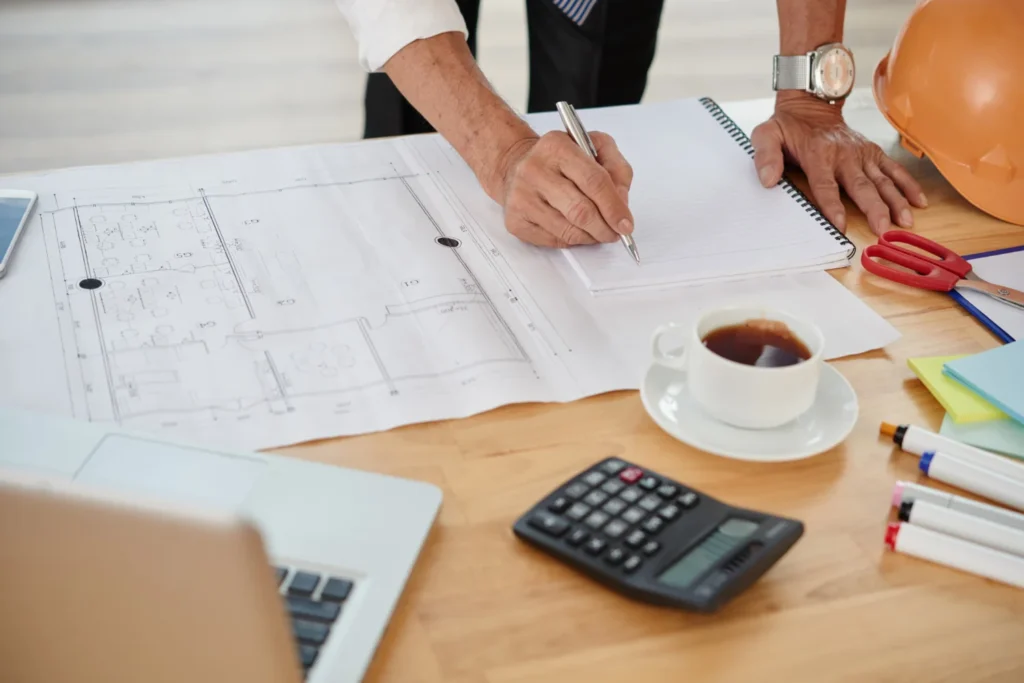
A well-planned construction project budget is one of the most important parts of a successful construction job. Whether you are building a home, office, warehouse, or retail space, a clear budget helps you control costs, avoid delays, and complete the project on time.
Many construction projects fail because of poor planning, rising material prices, labor shortages, or inaccurate estimates. That is why contractors, builders, and project owners rely on accurate budgeting and estimating before starting any work.
In this guide, you will learn how construction budgeting works, why cost analysis matters, and how proper estimating can help reduce financial risks.
What Is a Construction Project Budget?
A construction project budget is the total amount of money planned for a construction job. It includes every expected cost from start to finish.
This may include:
- Material costs
- Labor expenses
- Equipment rentals
- Permits and inspections
- Site preparation
- Overhead costs
- Contingency funds
- Subcontractor charges
A strong budget helps project managers track spending and avoid unexpected financial problems during construction.
Without a proper budget, even small mistakes can lead to major losses.
Why Construction Project Budgeting Is Important
Good construction project budgeting helps contractors and property owners make smart financial decisions before work begins.
Here are some major benefits:
Better Cost Control
A detailed budget helps teams understand where money will be spent. This reduces waste and prevents overspending.
Improved Planning
Construction projects involve many moving parts. Budgeting helps schedule labor, order materials, and manage timelines more effectively.
Reduced Financial Risks
Unexpected expenses are common in construction. A good budget includes backup funds to handle surprises without stopping the project.
More Accurate Bidding
Contractors use budgeting and estimating to submit competitive bids while still protecting profits.
Stronger Client Trust
Clients feel more confident when they receive clear and realistic cost breakdowns.
Main Parts of a Construction Project Budget
Every project budget is made up of several cost categories. Understanding these sections is important for accurate planning.
Material Costs
Materials are often the biggest expense in construction projects. Prices can change quickly, especially for steel, concrete, lumber, and electrical supplies.
Using updated construction estimating data helps contractors predict material costs more accurately.
Labor Costs
Labor includes wages, overtime, insurance, and subcontractor payments. Labor costs can vary based on project size, location, and schedule.
Equipment Costs
Heavy machinery, tools, and equipment rentals should be included in the budget. Fuel and maintenance costs also matter.
Overhead Costs
These are indirect business expenses such as office costs, transportation, software, and administrative work.
Permit and Inspection Fees
Most construction projects require permits, inspections, and approvals from local authorities.
Contingency Funds
A contingency budget helps cover unexpected changes, weather delays, or material price increases.
Most contractors set aside 5% to 10% of the total budget for contingencies.
How to Create a Construction Project Budget
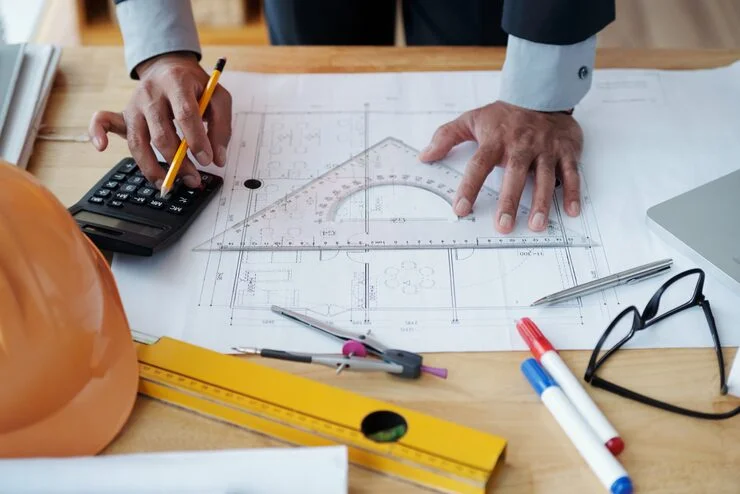
Creating a budget requires careful planning and detailed estimating. Below are the main steps contractors follow.
Review Project Plans Carefully
Start by studying the project drawings, specifications, and scope of work.
This helps identify:
- Material quantities
- Labor requirements
- Equipment needs
- Site conditions
- Project complexity
Missing details during this stage can lead to inaccurate estimates later.
Perform Quantity Takeoffs
Quantity takeoffs measure the materials needed for the project.
This may include:
- Concrete volume
- Steel quantities
- Drywall area
- Roofing materials
- Plumbing fixtures
- Electrical components
Accurate takeoffs are the foundation of a reliable budget.
Use Construction Cost Estimating Data
Using updated construction cost estimating data is important because material and labor prices often change.
Reliable estimating data helps contractors:
- Forecast market prices
- Compare supplier rates
- Reduce pricing errors
- Improve bid accuracy
Without updated data, budgets can become outdated very quickly.
Conduct Cost Analysis for Construction Project
A detailed cost analysis for construction project work helps identify where money is being spent.
This process includes reviewing:
- Labor expenses
- Material pricing
- Equipment usage
- Subcontractor quotes
- Site conditions
Cost analysis helps project managers make adjustments before construction begins.
For example, they may choose different materials or construction methods to reduce expenses while maintaining quality.
Add Contingency and Risk Costs
Construction projects often face unexpected issues such as:
- Bad weather
- Supply chain delays
- Design changes
- Labor shortages
Adding contingency funds protects the project from financial stress.
Many experienced estimators also review historical construction estimating data to predict possible risks.
Monitor the Budget During Construction
Budgeting does not stop once the project starts.
Project managers should continue tracking:
- Material purchases
- Labor hours
- Equipment costs
- Change orders
- Delays
Regular tracking helps prevent cost overruns.
Construction Project Cost Analysis Explained
A proper construction project cost analysis helps contractors understand the true financial health of a project.
This process compares estimated costs with actual project expenses.
Cost analysis is important because it helps answer questions like:
- Are labor costs increasing?
- Is the material waste too high?
- Are subcontractors staying within budget?
- Is the project still profitable?
Regular cost analysis helps improve future project estimates and business decisions.
Common Mistakes in Construction Project Budgeting
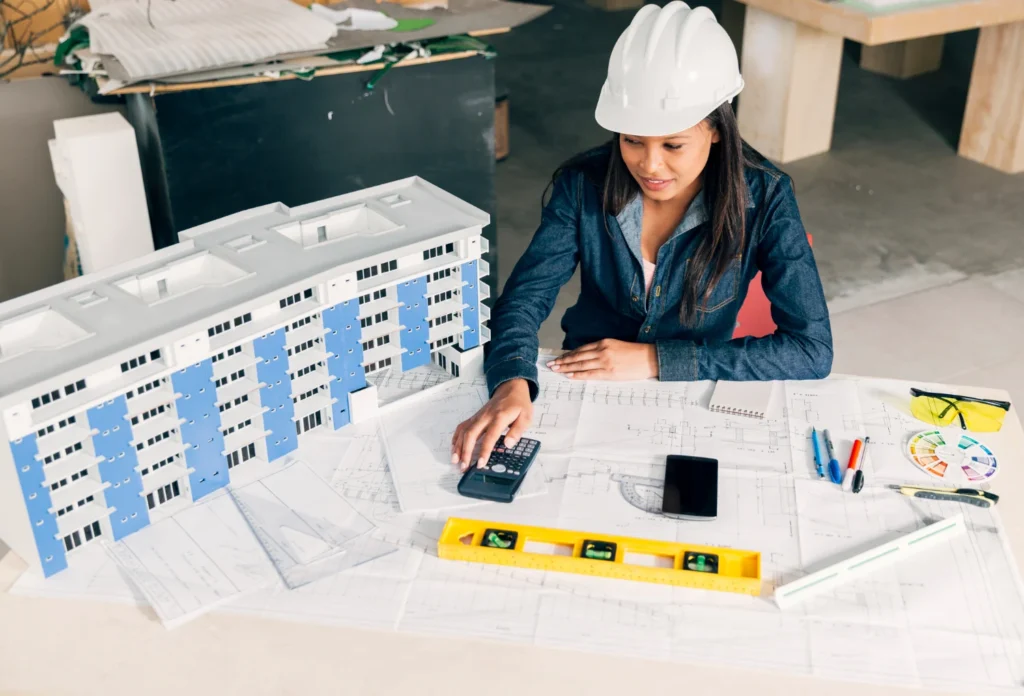
Many construction companies struggle with budgeting because of avoidable mistakes.
Here are some common problems.
Inaccurate Quantity Takeoffs
Even small measurement errors can create large budget problems later.
Ignoring Market Price Changes
Material prices can rise suddenly. Using outdated pricing creates inaccurate budgets.
Underestimating Labor Costs
Labor shortages and overtime can increase expenses quickly.
Poor Project Planning
Incomplete project plans often lead to change orders and delays.
No Contingency Budget
Unexpected costs are normal in construction. Projects without contingency funds face higher financial risks.
The Role of Project Costing Analysis
Project costing analysis helps construction teams understand how resources are being used throughout the project.
This process tracks spending and compares it with the original estimate.
It also helps identify:
- Cost-saving opportunities
- Waste reduction
- Profit margins
- Productivity issues
Construction companies that regularly perform project costing analysis usually make better financial decisions over time.
How Technology Improves Construction Budgeting
Modern estimating software has improved the accuracy of construction budgeting.
Today, contractors use digital tools to:
- Create fast estimates
- Track material pricing
- Reduce manual errors
- Improve collaboration
- Analyze project costs
Software also allows estimators to store historical construction estimating data for future projects.
This improves consistency and forecasting accuracy.

Tips for Better Construction Project Budgeting
Here are some simple ways to improve budgeting accuracy.
Keep Cost Data Updated
Always use current labor and material prices.
Review Historical Projects
Past projects provide valuable estimating information.
Communicate With Suppliers
Supplier pricing can often change. Regular communication helps avoid surprises.
Double-Check Quantity Takeoffs
Accurate measurements reduce waste and budgeting errors.
Work With Professional Estimators
Experienced estimating teams can improve bid accuracy and reduce financial risks.
Why Accurate Estimating Matters in Construction
Estimating is one of the most important parts of project planning.
Accurate estimates help contractors:
- Submit competitive bids
- Protect profit margins
- Improve scheduling
- Reduce project delays
- Build client trust
Poor estimates often lead to budget overruns and disputes.
That is why many contractors outsource estimating services to experienced professionals.
Frequently Asked Questions
What is a construction project budget?
A construction project budget is the total planned cost of a construction project, including materials, labor, equipment, permits, and other expenses.
Why is construction project budgeting important?
Construction project budgeting helps control costs, reduce financial risks, improve planning, and prevent overspending during construction.
What is a construction project cost analysis?
Construction project cost analysis is the process of reviewing and tracking project expenses to compare estimated costs with actual spending.
How does construction estimating data help contractors?
Construction estimating data helps contractors create more accurate budgets by providing updated material prices, labor rates, and historical cost information.
What causes construction projects to go over budget?
Common reasons include inaccurate estimates, material price increases, labor shortages, project delays, and design changes.
How can contractors improve budgeting accuracy?
Contractors can improve accuracy by using updated cost data, performing detailed takeoffs, reviewing past projects, and working with professional estimators.
Conclusion
Creating an accurate construction project budget is essential for successful construction planning. A strong budget helps contractors manage costs, reduce risks, improve bidding accuracy, and complete projects more efficiently.
From quantity takeoffs to construction project cost analysis, every step plays an important role in financial planning. Using updated construction cost estimating data and detailed project costing analysis can help avoid costly mistakes and improve project outcomes.
Professional estimating support can also make a major difference in budgeting accuracy and project success. Companies like Total Bid Estimating help contractors and builders prepare reliable estimates, manage project costs, and plan construction work with greater confidence.