
Construction estimating mistakes can quietly destroy a contractor’s profit. Even a small mistake in labor costs, material pricing, or quantity takeoffs can lead to major losses on a project. Many contractors lose bids or struggle with low profit margins because of simple estimating errors that could have been avoided.
In this blog, we’ll cover the most common construction estimating mistakes, why they happen, and practical construction estimating tips to help you create more accurate bids and avoid costly problems.
Why Accurate Construction Estimation Matters
Accurate estimates are the foundation of every successful construction project. A good estimate helps contractors:
- Win more bids
- Protect profit margins
- Reduce project delays
- Avoid budget overruns
- Improve client trust
On the other hand, inaccurate construction estimates can create serious problems. If labor costs are too low or material prices are outdated, contractors may end up losing money before the project even begins.
Many construction bid mistakes happen because estimators rush the process or fail to review project details carefully. That’s why understanding common errors in estimation is so important.
Incomplete Quantity Takeoffs
One of the biggest construction estimating mistakes is missing items during the quantity takeoff process.
Quantity takeoff mistakes happen when measurements, materials, or project details are overlooked. Even missing a small amount of material can create large cost differences later.
For example:
- Forgetting insulation quantities
- Missing drywall areas
- Incorrect concrete measurements
- Overlooking finishing materials
These material takeoff errors often lead to inaccurate construction estimates and unexpected expenses during construction.
How to Avoid This Mistake
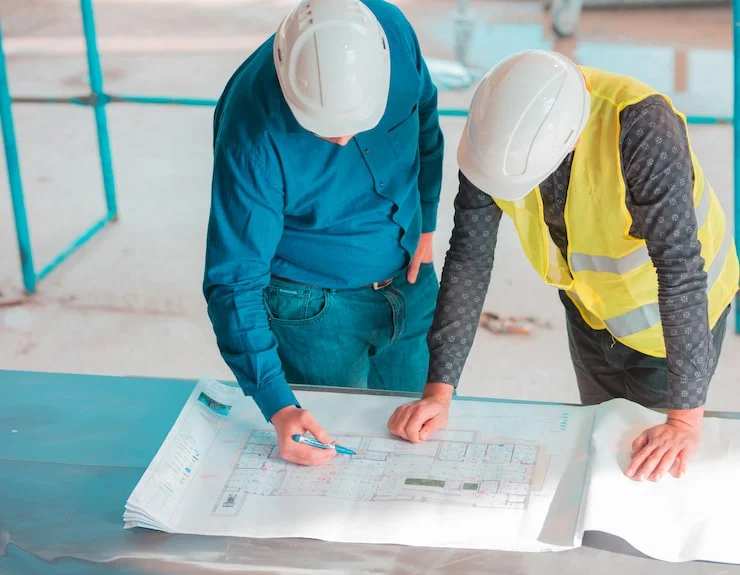
- Double-check drawings and blueprints
- Use digital takeoff software
- Follow a checklist for every trade
- Review quantities before submitting bids
Careful quantity takeoffs improve estimate accuracy and reduce costly surprises.
Ignoring Labor Cost Fluctuations
Labor costs change constantly. Many contractors make the mistake of using old labor rates from previous projects.
This is one of the most common cost estimation errors in construction projects today.
Labor pricing can increase because of:
- Worker shortages
- Overtime
- Seasonal demand
- Project location
- Union requirements
If labor costs are underestimated, contractors may struggle to complete projects within budget.
How to Avoid This Mistake
- Update labor rates regularly
- Track local wage trends
- Include overtime costs when needed
- Add contingency for labor changes
Keeping labor data current is one of the best construction estimating tips for protecting profit margins.
Using Outdated Material Prices
Material prices can rise quickly, especially in construction markets affected by supply chain issues or inflation.
Using outdated prices is one of the most damaging construction estimating mistakes because material costs often make up a large part of the total budget.
Common material pricing issues include:
- Steel price increases
- Lumber cost fluctuations
- Concrete shortages
- Shipping delays
Even small pricing differences can turn profitable jobs into financial losses.
How to Avoid This Mistake
- Request updated supplier quotes
- Review market pricing weekly
- Include price escalation clauses when possible
- Build a contingency into the estimate
Staying updated helps contractors avoid major estimating errors and improve bid accuracy.
Poor Scope Review
Another common error in estimation is misunderstanding the project scope.
Some contractors rush through drawings without fully reviewing:
- Specifications
- Bid documents
- Addendums
- Site conditions
- Client requirements
This often creates construction bid mistakes because important work items are left out of the estimate.
For example:
- Missing demolition work
- Ignoring permit costs
- Overlooking site preparation
- Failing to include cleanup expenses
How to Avoid This Mistake
- Read all project documents carefully
- Review the addenda before final pricing
- Visit the job site when possible
- Ask questions during pre-bid meetings
A complete scope review reduces inaccurate construction estimates and improves project planning.
Manual Calculation Errors
Manual spreadsheets and hand calculations can easily lead to estimating errors.
Simple math mistakes may seem small, but they can create thousands of dollars in losses on large construction projects.
Manual errors often include:
- Incorrect formulas
- Duplicate quantities
- Missing cost items
- Wrong unit pricing
These errors in estimation are especially common when contractors rush to meet tight bid deadlines.
How to Avoid This Mistake
- Use construction estimating software
- Automate calculations when possible
- Review spreadsheets carefully
- Have another estimator check the bid
Technology can greatly reduce construction estimating mistakes and improve consistency.
Common Errors in Estimation That Lead to Bid Losses
Many contractors lose bids or profits because of repeated estimating problems.
Some of the most common estimating errors include:
Underestimating Project Complexity
Complex projects require more labor, coordination, and supervision.
Ignoring Risk Factors
Weather delays, permit issues, and labor shortages can affect project costs.
Forgetting Overhead Costs
Insurance, equipment, office expenses, and fuel costs should always be included.
Rushing the Bid Process
Fast estimates often lead to material takeoff errors and missing costs.
Not Reviewing Final Estimates
A final review can catch major problems before bid submission.
Avoiding these construction bid mistakes can improve both profitability and reputation.
Construction Estimating Tips to Improve Bid Accuracy
Improving estimating accuracy takes planning, experience, and the right systems.
Here are some practical construction estimating tips contractors can follow:
Use Updated Cost Databases
Always work with current labor and material pricing.
Standardize Your Estimating Process
Create repeatable systems for takeoffs, pricing, and reviews.
Invest in Estimating Software
Modern software helps reduce manual mistakes and saves time.
Review Historical Project Data
Past projects can help improve future estimate accuracy.
Add Contingency Costs
Unexpected issues happen on almost every project.
Train Your Estimating Team
Continuous training helps estimators stay updated on industry changes.
Using these construction estimating tips can help contractors create stronger bids and reduce financial risk.
How Professional Estimating Services Reduce Estimating Errors
Many contractors now use professional estimating companies to improve bid quality and save time.
Professional estimators understand:
- Quantity takeoffs
- Labor productivity
- Material pricing
- Bid preparation
- Construction cost analysis
They also use advanced software and detailed review processes to reduce errors in estimation.
Outsourcing estimating services can help contractors:
- Submit more bids
- Improve accuracy
- Reduce workload
- Save time
- Increase profitability
Professional support is especially useful for busy contractors handling multiple projects at once.
FAQ About Construction Estimating Mistakes
What are the most common construction estimating mistakes?
The most common construction estimating mistakes include incomplete quantity takeoffs, outdated material pricing, labor cost errors, poor scope review, and manual calculation mistakes.
Why do estimating errors happen in construction projects?
Estimating errors usually happen because of rushed bids, missing project details, outdated pricing, or lack of proper review systems.
How can contractors improve estimate accuracy?
Contractors can improve accuracy by using estimating software, updating cost data regularly, reviewing project documents carefully, and following a standardized estimating process.
What are quantity takeoff mistakes?
Quantity takeoff mistakes happen when materials, measurements, or work items are missed during the estimating process.
How do inaccurate construction estimates affect contractors?
Inaccurate construction estimates can lead to budget overruns, lost profits, project delays, and damaged client relationships.
Why are professional estimating services helpful?
Professional estimating services help reduce construction estimating mistakes by providing accurate takeoffs, updated pricing, and detailed bid analysis.
Final Thoughts
Construction estimating mistakes can cost contractors thousands of dollars in lost profits, project delays, and failed bids. The good news is that many of these problems can be avoided with better planning, updated pricing, careful quantity takeoffs, and proper review systems.
By understanding common estimating errors and following smart construction estimating tips, contractors can improve bid accuracy and protect their bottom line.
At Total Bid Estimating, we help contractors reduce estimating errors with accurate quantity takeoffs, detailed cost analysis, and professional construction estimating services designed to support better bidding decisions and long-term project success.