
If you are planning a building project, learning how to estimate construction costs is one of the most important steps before you begin. A good estimate helps you plan your budget, avoid money problems, and make better decisions during the project. Without a clear plan, costs can quickly go out of control.
Planning a construction project becomes much easier when you understand how cost calculations work, because it helps you prepare a realistic budget and avoid unexpected expenses later in the project.
What Is Construction Cost Estimation?
Construction cost estimation is the process of calculating the total money needed to complete a building project. It includes materials, labor, equipment, permits, and other related expenses.
In simple words, estimating construction costs helps you understand the full financial picture before any work begins. It is the base of good planning and successful project delivery.
A proper construction cost estimate is not guesswork. It is based on real quantities, real prices, and clear planning.
Types of Construction Cost Estimates
There are different levels of estimating used in building projects. Each one serves a different purpose.
Rough Estimate
This is an early-stage estimate. It gives a general idea of the total cost before design details are ready.
Detailed Estimate
This is more accurate and includes exact quantities of materials and labor. It is often used for final planning.
Preliminary Estimate
This helps during the planning stage and gives a quick idea of the project budget.
Revised Estimate
This is prepared when project changes happen during construction.
Understanding these types helps improve construction cost estimating accuracy and planning.
Step-by-Step Guide to Estimate Construction Costs
Now, let’s go through a simple process for estimating construction costs in real projects.
Understand the Project Clearly
Start by knowing exactly what you are building. Size, design, and purpose all affect cost.
A clear scope is the foundation of all estimating construction costs work.
Break the Project into Parts
Divide the project into smaller sections, such as:
- Site work
- Foundation
- Structure
- Electrical work
- Plumbing
- Finishing
This makes the cost estimate for construction easier and more accurate.
Calculate Material Costs
List all materials needed and find current prices.
Common materials include:
- Cement
- Steel
- Bricks
- Sand
- Wood
- Paint
Material costs are a major part of every construction cost estimate.
Estimate Labor Costs
Labor includes workers like masons, electricians, plumbers, and helpers.
To calculate:
- Count the number of workers
- Estimate working days
- Multiply by daily wages
Labor is a key part of construction cost estimating and can significantly affect the budget.
Include Equipment Costs
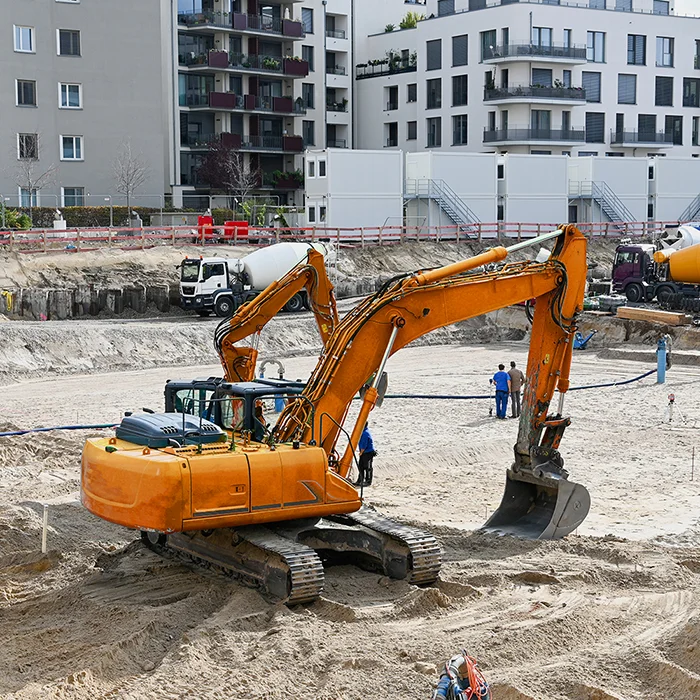
Some projects need machines like cranes, excavators, or mixers. These may be rented or owned.
These costs are often missed but are important in construction cost estimates.
Add Permits and Extra Charges
Every project has extra costs, such as:
- Permits
- Inspections
- Transport
- Utility connections
These are often hidden but necessary in estimating construction costs.
Add a Safety Buffer
Always add 5% to 15% extra to your total estimate.
This helps cover:
- Price changes
- Delays
- Unexpected issues
A good construction cost estimate always includes a buffer.
Review Everything Carefully
Double-check all numbers and compare them with similar projects.
Many builders also use a new construction cost estimator to improve accuracy and reduce mistakes.
Factors That Affect Construction Cost Estimate
Many things can change the final cost of a project:
- Location of the project
- Material price changes
- Design complexity
- Labor availability
- Project timeline
- Weather conditions
All these factors must be considered during construction cost estimating to avoid errors.
Tools and Cost Estimator Construction Methods
Today, many tools make estimating easier and faster.
Some common methods include:
- Manual calculation using spreadsheets
- Online calculators
- Software-based estimation tools
A cost estimator construction tool helps reduce human error and improves speed.
A new construction cost estimator is especially useful for updated pricing and modern project needs.
Common Mistakes in Estimating Construction Costs
Even small mistakes can lead to big budget problems. Here are common ones:
- Ignoring hidden costs
- Using outdated material prices
- Not adding a safety buffer
- Overlooking labor time
- Poor project breakdown
Avoiding these mistakes improves your construction cost estimate accuracy.
FAQs
How to estimate construction site costs?
To understand how to estimate construction site costs, include land preparation, leveling, soil testing, temporary structures, and site utilities. These early costs are part of total project planning.
What is construction cost estimating?
Construction cost estimating is the process of calculating total project expenses, including materials, labor, equipment, and other costs, before construction begins.
Why is construction cost estimation important?
It helps you control your budget, reduce risks, and make better planning decisions before starting a project.
What is the difference between estimate types?
Different estimates vary in detail. Rough estimates are early guesses, while detailed estimates use exact numbers for final planning.
Can software help with estimating construction costs?
Yes, digital tools and calculators make estimating construction costs faster and more accurate by using updated prices and formulas.
What is a cost estimate for construction used for?
A construction cost estimate is used to plan budgets, secure approvals, and guide the entire building process.
Conclusion
Learning how to estimate construction costs is the first step toward successful project planning. When you break the work into clear parts like materials, labor, equipment, and extra costs, it becomes easier to manage your budget and avoid surprises. A good estimate is always detailed, realistic, and regularly updated. With proper planning and tools, construction becomes more predictable and controlled. Many professionals rely on expert services like Total Bid Estimating to improve accuracy and make better financial decisions for their projects.