An electrical estimator plays a key role in construction projects by helping contractors understand the real cost of electrical work before a job begins. Without proper estimating, projects can go over budget, cause delays, or lead to lost bids. In this blog, you will learn how electrical estimating works, how costs are calculated, and how to prepare a clear and accurate electrical estimate for any project.
What is an Electrical Estimator?
An electrical estimator is a person who calculates the total cost of electrical work in a construction project. This includes materials, labor, equipment, and time needed to complete the job.
The main goal of an electrical estimator is to help contractors submit accurate bids. If the estimate is too high, they may lose the job. If it is too low, they may lose profit. That is why proper electrical estimating is so important.
The Role of Electrical Estimating in Construction
Electrical estimating is the process used by an electrical estimator to calculate project costs. It involves breaking down every part of the electrical system and assigning accurate prices.
This includes:
- Wiring and cables
- Switches and outlets
- Panels and breakers
- Lighting fixtures
- Labor hours
- Tools and equipment
A good estimator does not guess. Instead, they carefully review drawings, project plans, and specifications before preparing an electrical estimate.
Properly estimating electrical work helps contractors avoid mistakes and improve bidding accuracy.
Step-by-Step Guide: How Electrical Estimating Works
Understanding how to estimate electrical work is important for anyone in the construction field. Below is a simple breakdown of the process.
Review Project Drawings
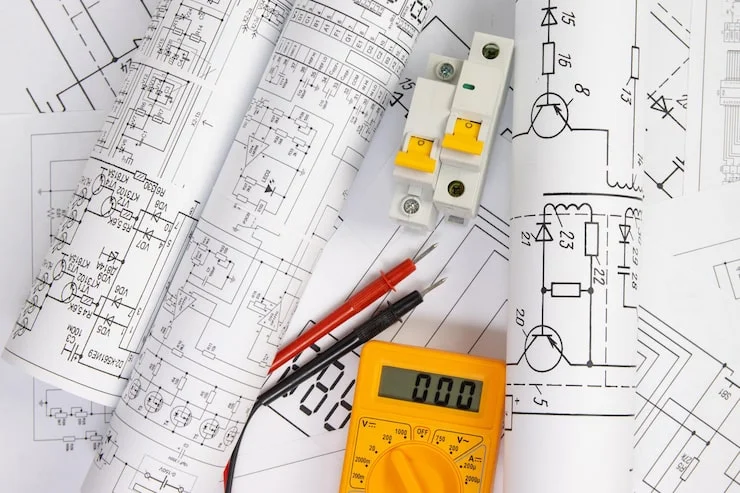
The first step in electrical estimating is to study the blueprints. These drawings show where wiring, lights, and electrical systems will be installed.
Identify Electrical Components
Next, the estimator lists all required materials such as cables, panels, fixtures, and outlets. This step ensures nothing is missed in the estimate.
Perform Quantity Takeoff
At this stage, the electrical estimator measures the exact quantities needed. This is often called an electrical cost estimating takeoff process.
Calculate Material Costs
After quantities are known, current market prices are applied. This helps form a realistic electrical estimate.
Estimate Labor Costs
Labor is a major part of electrical work. The estimator calculates how many hours are needed and multiplies it by labor rates.
Add Equipment and Overhead Costs
Equipment use, transportation, and overhead expenses are added to the total.
Final Review
Finally, the estimator reviews everything to ensure accuracy before submitting the bid.
This full process ensures a complete and reliable electrical cost estimator output.
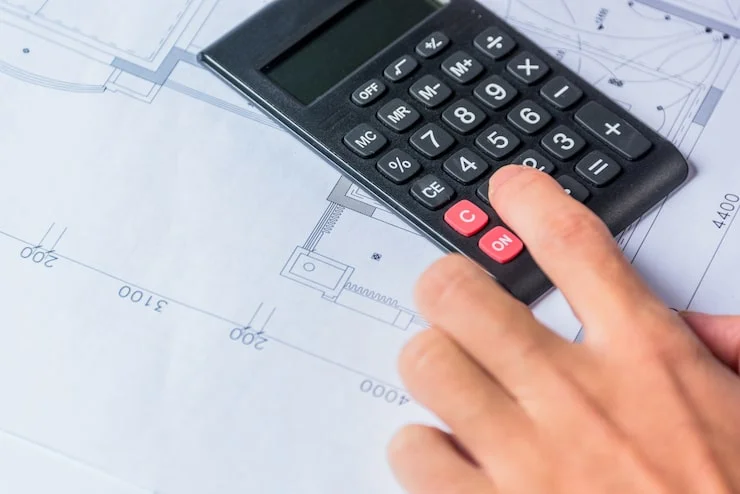
Why Electrical Cost Estimating is Important
Accurate electrical cost estimating is essential for construction success. It helps contractors:
- Avoid budget overruns
- Improve profit margins
- Submit competitive bids
- Reduce material waste
- Plan projects more effectively
Without proper estimation of electrical work, contractors may face financial losses or project delays.
A well-prepared electrical estimate document gives a clear financial picture before work begins.
Common Methods Used in Electrical Estimating
Electrical estimators use different methods depending on project size and complexity.
Unit Cost Method
Each electrical item is given a fixed cost. The total is calculated based on quantity.
Assembly Method
Similar items are grouped and priced as a package.
Square Foot Method
Cost is estimated based on the total area of the building.
Each method helps an electrical estimator prepare a fast and accurate electrical estimate depending on project needs.
Challenges in Electrical Estimating
Even experienced estimators face challenges such as:
- Changing material prices
- Incomplete project drawings
- Tight bidding deadlines
- Complex electrical systems
- Labor cost variations
These challenges make estimating electrical work a skill that requires attention to detail and experience.
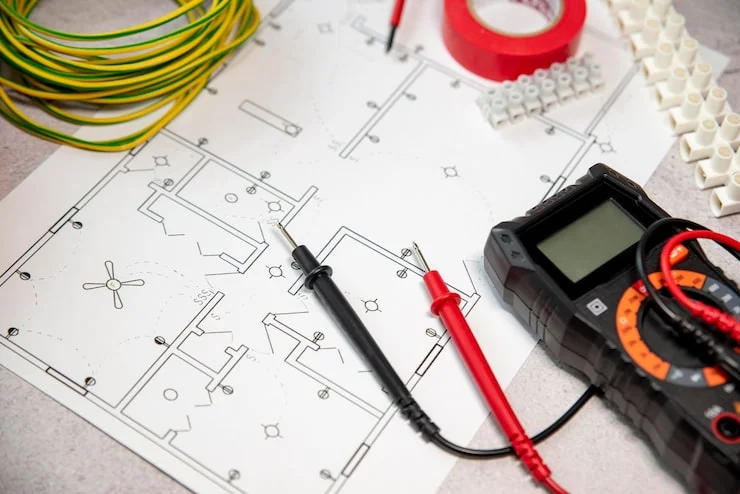
How to Improve Electrical Estimating Accuracy
To become better at electrical estimating, professionals should:
- Use updated pricing databases
- Review drawings carefully
- Double-check all quantities
- Stay updated on labor rates
- Use estimating software tools
Improving accuracy helps create stronger bids and increases chances of winning projects.
Electrical Cost Estimator Tools and Technology
Today, many contractors use digital tools to improve estimating electrical work. These tools help speed up calculations and reduce human error.
Modern electrical cost estimating software can:
- Automate quantity takeoffs
- Store cost databases
- Generate reports quickly
- Improve bid accuracy
This makes the job of an electrical estimator faster and more reliable.
FAQ About Electrical Estimating
What does an electrical estimator do?
An electrical estimator calculates the total cost of electrical work in a construction project, including materials, labor, and overhead.
How is electrical estimating done?
Electrical estimating is done by reviewing project drawings, calculating quantities, adding costs, and preparing a final electrical estimate.
What tools are used for electrical cost estimating?
Estimators use software tools, spreadsheets, and cost databases to prepare accurate estimates.
Why is electrical estimating important?
It helps contractors avoid financial loss, control project costs, and submit competitive bids.
How to estimate electrical work?
To estimate electrical work, you review drawings, calculate material quantities, add labor costs, and include overhead expenses to prepare a complete electrical estimate.
Conclusion
Electrical estimating is one of the most important parts of any construction project. A skilled electrical estimator helps contractors understand true project costs, avoid mistakes, and improve bidding success. From reviewing drawings to preparing the final electrical estimate, every step plays a key role in project planning.Accurate estimating of electrical work leads to better decisions, stronger bids, and more profitable projects. If contractors want reliable results, working with experts can make a big difference. Services like Total Bid Estimating help ensure precise and professional cost estimating so construction projects start on the right track.