Residential construction estimating is one of the most important steps when planning a home project. Whether you are a builder or a homeowner, knowing how to calculate costs accurately can save you time, money, and headaches. At Total Bid Estimating, we specialize in helping clients create precise estimates that make residential construction projects smooth and predictable.
In this guide, you’ll learn the step-by-step process of residential construction estimating, including takeoffs, material costs, labor calculations, and tips to avoid mistakes.
What is Residential Construction Estimating?
Residential construction estimating is the process of calculating all the costs involved in building a home. This includes materials, labor, equipment, and other project-related expenses. Accurate estimating for residential construction helps ensure your project stays on budget and avoids surprises.
When estimating residential construction, the goal is to account for every item needed to complete the project. From foundations and framing to finishes and utilities, having a clear estimate allows builders and homeowners to plan efficiently.
In short, residential estimating is your roadmap to understanding the financial side of a project before construction even begins.
Why Accurate Residential Construction Cost Estimates Matter
Having precise cost estimates for residential construction is crucial for any successful home project. A good residential construction cost estimator ensures that you:
- Avoid overspending on materials or labor
- Plan resources efficiently
- Prepare realistic budgets
- Increase the chances of winning bids for contractors
Without accurate estimates, projects often face delays, cost overruns, or material shortages. That’s why residential construction estimating isn’t just a task, it’s a critical step for smooth project management.
Tools & Techniques for Residential Takeoff
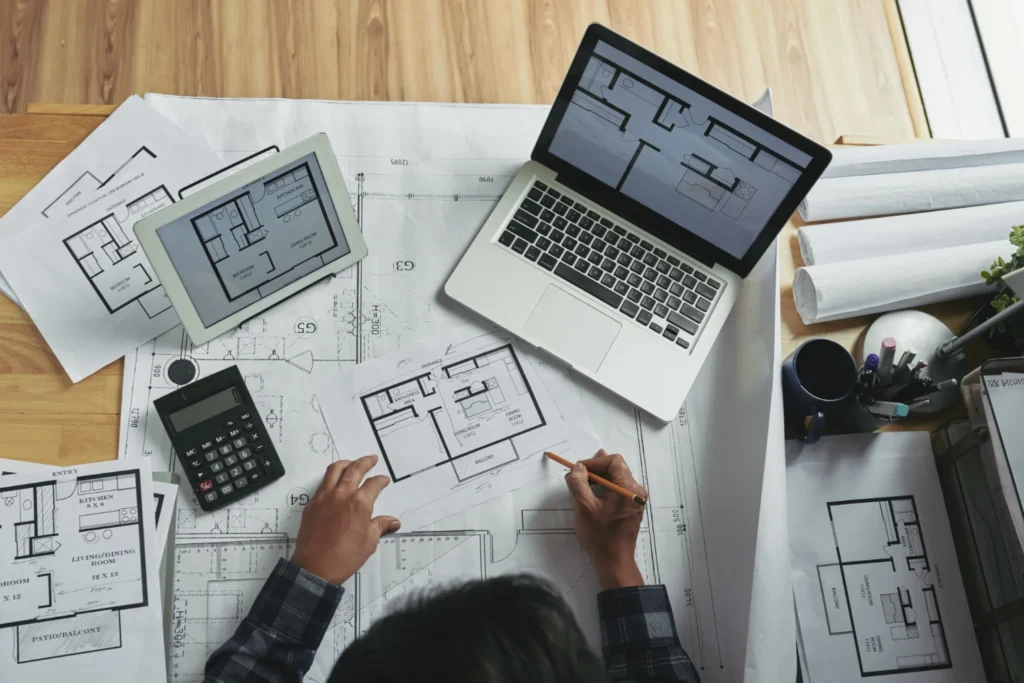
A residential takeoff is the process of measuring all materials needed for a project. Think of it as making a detailed shopping list before construction begins.
To complete a residential takeoff:
- Measure areas such as walls, floors, and ceilings
- Calculate quantities for concrete, steel, lumber, and finishes
- Use software tools, spreadsheets, or manual calculations to organize your numbers
A proper takeoff gives you the foundation for accurate cost estimates. By knowing exactly how much material you need, you can reduce waste, save money, and improve your overall construction estimate.
How to Estimate House Construction Costs
Estimating house construction costs may seem overwhelming, but breaking it into steps makes it manageable. Here’s how a house construction cost estimator or builder can do it:
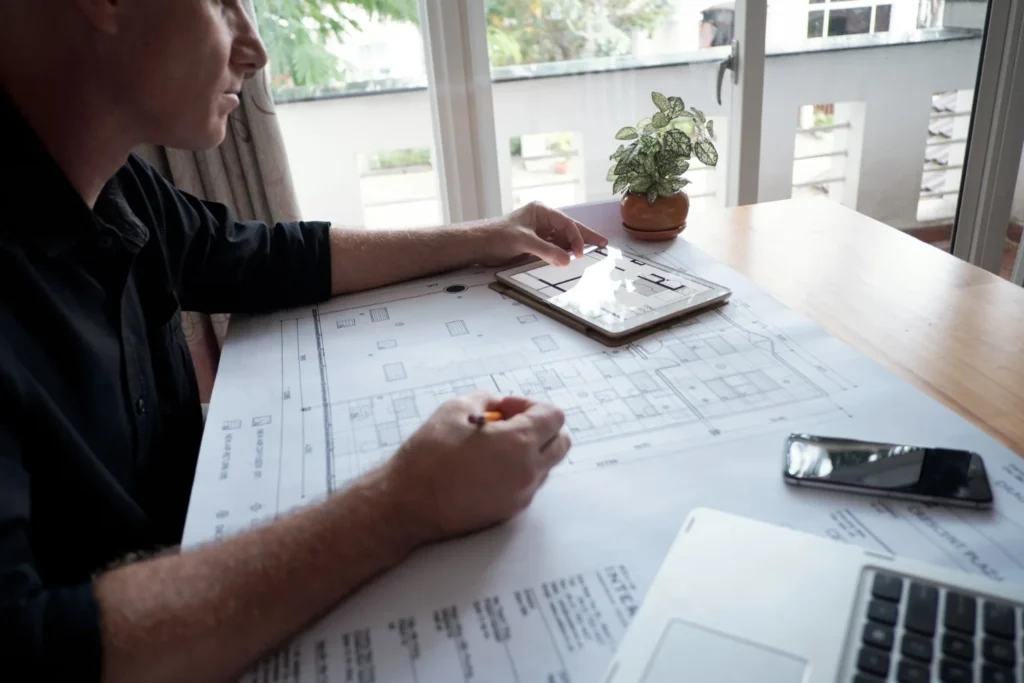
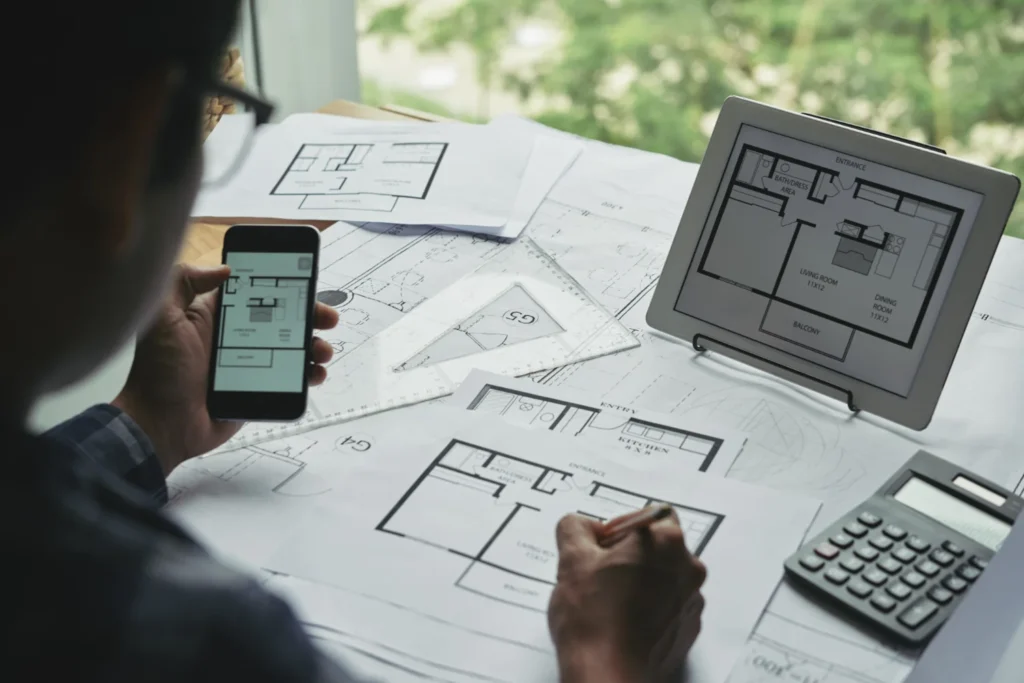
- Review Project Plans: Examine the architectural drawings, structural plans, and specifications.
- Perform a Residential Takeoff: List all required materials with accurate quantities.
- Calculate Material Costs: Multiply quantities by the unit prices and include delivery or waste allowances.
- Estimate Labor Costs: Determine the number of hours required for each trade and multiply by labor rates.
- Add Additional Expenses: Include permits, equipment, insurance, and contingency costs.
- Finalize Your Estimate: Review all numbers for accuracy, and organize them in a professional format.
By following these steps, you can estimate the cost to build a house accurately and present clear, reliable numbers to clients or stakeholders.
Tips for Better Residential Construction Estimation
Here are some best practices to make your residential construction estimating more effective:
- Use Reliable Tools: Software and spreadsheets can speed up takeoffs and calculations.
- Update Costs Regularly: Material prices and labor rates change often.
- Include Contingencies: Add 5–10% to cover unexpected expenses.
- Document Past Projects: Keep records to improve future estimates.
- Stay Organized: Separate estimates by trade, phase, or material type for clarity.
For more detailed residential estimating services, visit Total Bid Estimating and see how we can help make your project more predictable and cost-effective.
FAQ: Residential Construction Estimation
How do I estimate house construction cost?
Start by reviewing plans, doing a takeoff, calculating materials and labor, and adding additional expenses. This step-by-step approach ensures accuracy.
What is a residential construction cost estimator?
It’s a tool or professional that calculates the total cost of a home project, including materials, labor, and other expenses.
Why is residential construction estimating important?
Accurate estimates prevent budget overruns, help plan resources, and increase chances of project success.
How often should estimates be updated?
Update whenever project plans, material costs, or labor rates change to maintain accuracy.
Conclusion
Residential construction estimating doesn’t have to be complicated. By following the steps outlined, reviewing plans, performing a residential takeoff, calculating material and labor costs, and including additional expenses, you can create accurate, professional estimates.
With precise residential construction cost estimates, builders and homeowners can plan better, avoid surprises, and achieve successful projects. At Total Bid Estimating, we help clients master residential construction estimating so they can build smarter, faster, and within budget.
Accurate estimating is not just a task, it’s the key to a smoother, more predictable construction process.